The Trump administration is ramping up pressure on Chinese AI models: a new round of regulatory warfare.
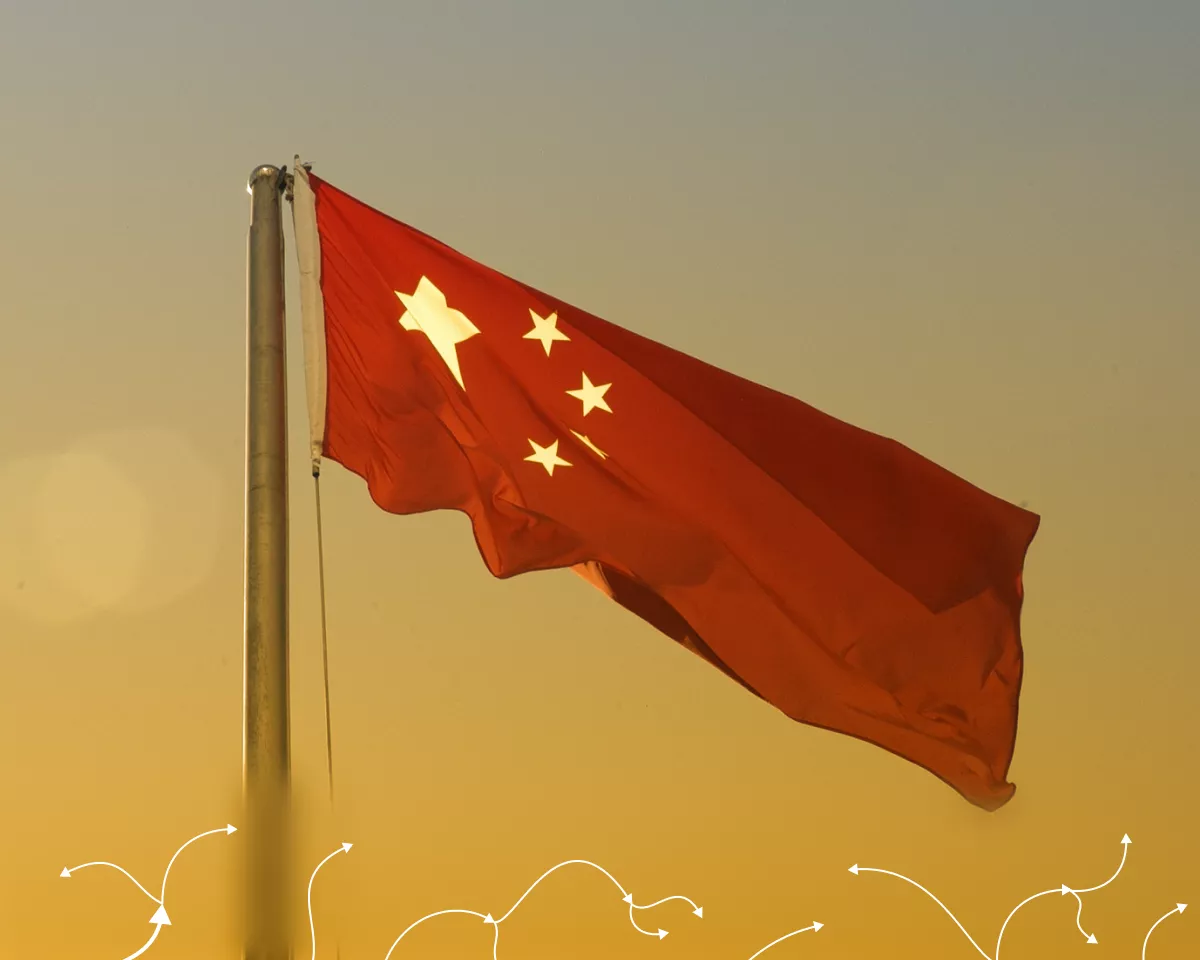
Discussions have intensified again within the administration of U.S. President Donald Trump regarding the introduction of restrictions targeting Chinese open-weight artificial intelligence models. In my assessment, this move is a direct response to the rapid progress of Chinese developers, who are beginning to seriously threaten the dominance of American giants.
No official decisions have been made yet, but the recent launch of the Kimi K3 model by Chinese company Moonshot AI served as the impetus for resuming these discussions. This release caused significant market resonance, even triggering a sell-off in chipmaker stocks.
Main Restriction Scenarios
Among the tools under consideration is adding Chinese AI companies to the export control blacklist of the U.S. Department of Commerce, which would require special permission for any interaction with them. The National Security Agency and the Office of the National Cyber Director are also developing public warnings about potential threats.
Of particular interest is the idea of imposing liability on American companies for using "unsafe" Chinese models. Previously, such initiatives were rejected due to fears of slowing down the entire industry, but the situation has now changed.
Expert Positions and Contradictions
Former White House Senior Advisor on AI Dean Ball, who now heads the Strategic Futures division at OpenAI, expressed the opinion that the best strategy for the Trump administration would be to create significant regulatory risk for using Chinese open-source models. He mentioned warnings about hidden vulnerabilities as a possible tool.
However, White House AI Advisor David Sacks harshly criticized this approach, calling "using regulatory uncertainty as a competitive tool absolutely unacceptable." Sacks also pointed out a potential conflict of interest: leading developers of closed systems, such as OpenAI and Anthropic, may have an interest in the government limiting competition from open-source solutions.
Context and My Conclusions
Notably, Moonshot AI has promised to publish the full set of Kimi K3 parameters under a modified MIT license, but the model cannot yet be deployed independently. U.S. agencies have not provided evidence of hidden features or vulnerabilities in this model, and Moonshot AI itself is not subject to export restrictions.
Meanwhile, China is also considering its own bans on the transfer of advanced AI technologies, including controls on the export of training data. Alibaba has already prohibited its employees from using Anthropic products, citing security risks.
My expert assessment: We are witnessing a classic escalation of technological confrontation between the U.S. and China, where AI is becoming a new battlefield. Regulatory measures, even if implemented, are unlikely to stop the development of Chinese models — they will only accelerate the process of creating fully independent ecosystems. Investors should prepare for increased volatility in the semiconductor and cloud computing sectors.