The Trump administration is revisiting the idea of imposing restrictions on Chinese AI models: what lies behind the new wave of discussions
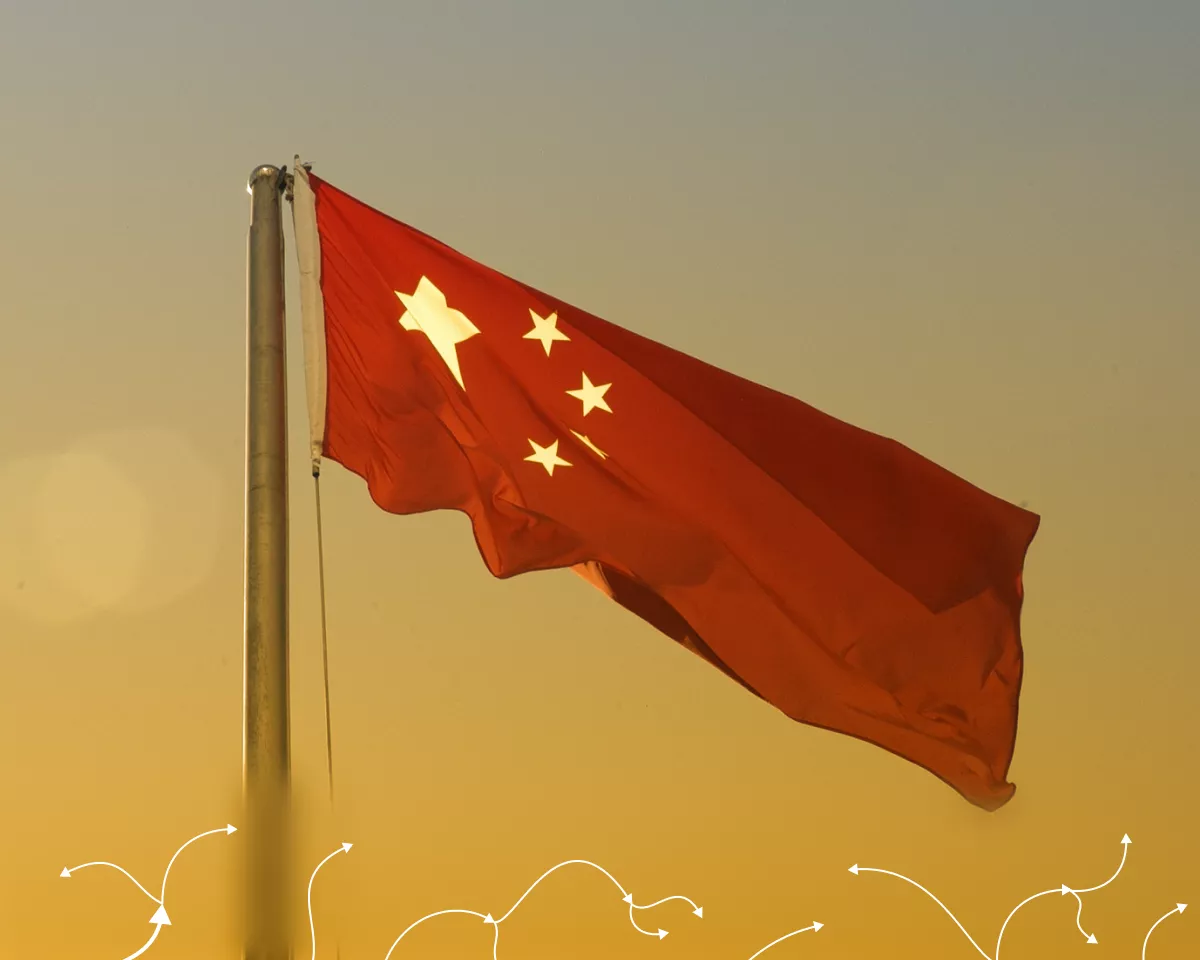
Discussions in Washington have reignited regarding potential restrictions on the use of Chinese open-weight artificial intelligence models. This issue, temporarily shelved due to fears of slowing down the development of the American industry itself, has gained new momentum following the high-profile release of Kimi K3 by China's Moonshot AI.
No official decisions have been made yet, but the range of tools under consideration is quite broad. In particular, discussions include adding Chinese AI developers to the list of export restrictions, which would require US companies to obtain special permits for any interaction. Also on the table are public warnings from the NSA and the Office of the National Cyber Director about potential threats, as well as the introduction of restrictions in the area of government procurement.
Regulatory Duel: Strategy or Inevitability?
Notably, the White House previously abandoned the idea of an executive order imposing direct liability on companies for security violations when using Chinese models. The fear of slowing down innovation outweighed the concerns. However, the success of Kimi K3, which experts assess as comparable to the best closed models, has once again raised the stakes.
Former Senior AI Policy Advisor Dean Ball, now heading the Strategic Futures division at OpenAI, expressed the opinion that the Trump administration should create significant regulatory risk for the use of Chinese open-source models. He mentioned tools such as warnings about hidden vulnerabilities. However, White House AI Advisor David Sacks sharply criticized this approach, calling the "weaponization of regulatory uncertainty" an unacceptable competitive tool. Sacks pointed out that leading developers of closed systems, such as OpenAI and Anthropic, are effectively forming a duopoly and may be interested in government-imposed restrictions on competition from open-source solutions.
Meanwhile, China, according to sources, is also considering its own bans on the transfer of advanced AI technologies abroad, including control over the export of training data and the downloading of model weights. This turns the situation into a classic example of a technological cold war, where regulatory barriers become a new battlefield.
My analysis: The market is clearly entering a phase where geopolitics will have a direct and increasingly stringent impact on the availability and cost of cutting-edge AI models. Investors and developers, especially in the DeFi and Web3 sectors where open-source is a fundamental principle, should prepare for ecosystem fragmentation. Chinese models, such as Kimi K3, demonstrate that the technological gap is narrowing, and attempts to artificially widen it through regulatory measures could lead to unpredictable consequences for the global market.