Washington is once again considering restrictions on Chinese AI models: a new round of tensions.
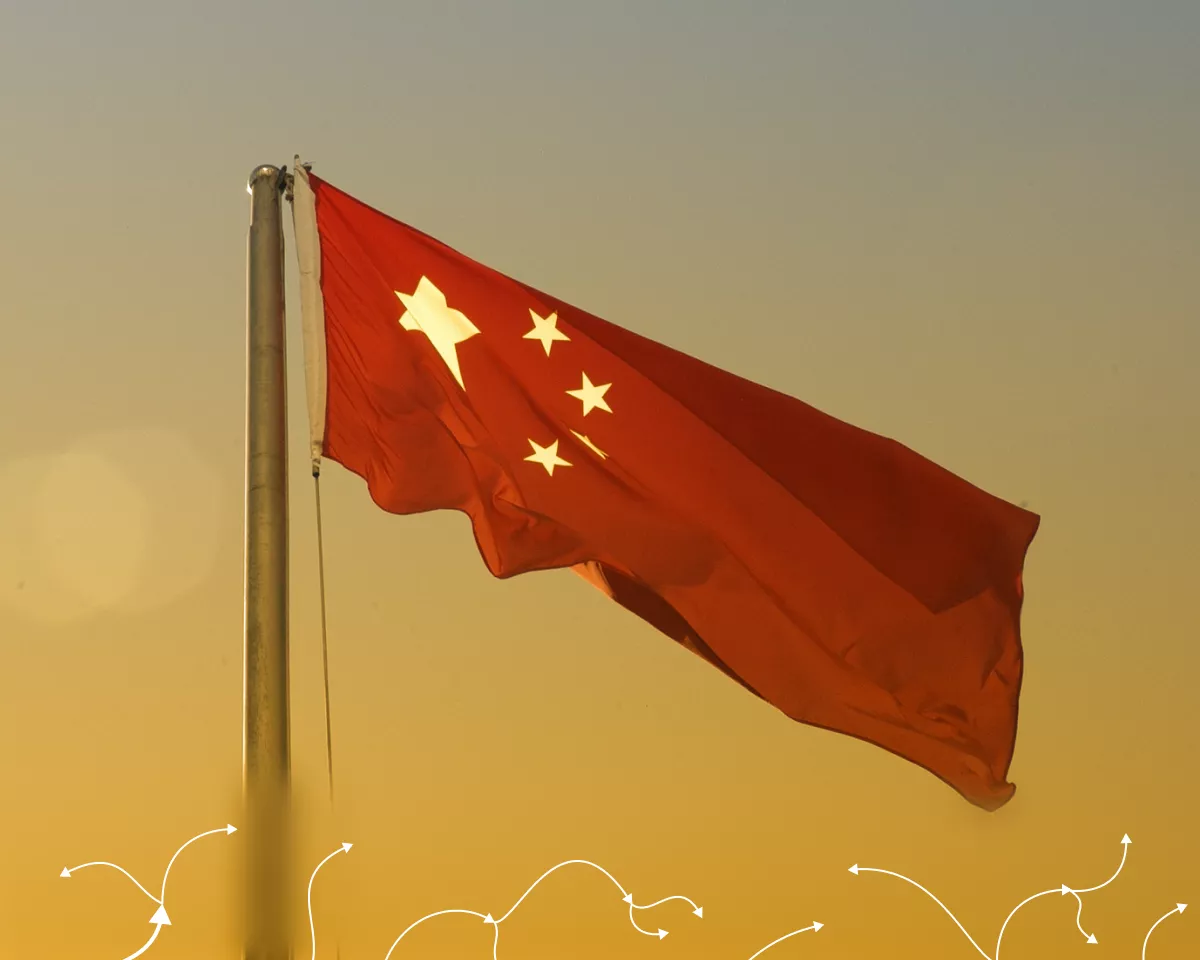
The U.S. presidential administration has once again returned to developing measures aimed at curbing Chinese open-weight artificial intelligence models. This issue has become particularly pressing following the release of the Kimi K3 model by Moonshot AI — an event that caused a stir in tech circles and on the stock market.
No official decisions have been made yet, but the discussion is active. The White House and the Department of Commerce are refraining from comments, but sources confirm that a whole range of tools is being discussed — from new export restrictions to public warnings about potential threats.
What options are on the table?
As early as 2025, the U.S. Department of Commerce considered the possibility of including a number of Chinese AI companies in export control lists. The National Security Agency and the White House Office of Cybersecurity were also working on publishing official warnings about the risks associated with Chinese developments.
More stringent measures, such as an executive order holding American companies responsible for any security violations when using such models, were rejected due to fears of slowing down the development of the entire industry. The current focus is on restrictions in government procurement, blacklisting developers, and public warnings.
Insider perspective: strategy or forecast?
Dean Ball, former senior advisor on AI policy at the White House and now head of Strategic Futures at OpenAI, put forward an interesting hypothesis. After the release of Kimi K3, he called the model high-quality and noted that its results cannot be explained by simply copying responses from other systems.
Ball suggested that the Trump administration might realize that the best strategy is to create high regulatory risk for using Chinese open-source models. As tools, he mentioned agency warnings about hidden vulnerabilities. However, the expert later clarified that this was a forecast, not a recommendation.
White House AI advisor David Sacks harshly criticized this approach, calling the use of regulatory uncertainty as a competitive tool unacceptable. In his opinion, the leading developers of closed systems — OpenAI and Anthropic — already effectively form a duopoly in terms of revenue and may be interested in the government limiting competition from open solutions.
China is not standing still
In parallel, Beijing is also considering its own restrictions on the transfer of advanced AI technologies abroad. China's Ministry of Commerce is discussing with Alibaba, ByteDance, and Zhipu possible controls over the export of training data and the downloading of model weights by foreigners.
Notably, Moonshot AI has not yet been included in U.S. export restriction lists, and U.S. agencies have not provided evidence of hidden functions or vulnerabilities in Kimi K3. The model itself is not yet available for independent deployment — the company promises to publish the full set of parameters by July 27 under a modified MIT license.
My comment: The AI market increasingly resembles a battlefield, where regulatory mechanisms become as much a weapon as technological superiority. The paradox is that attempts by one side to restrict open models may accelerate industry fragmentation, which in the long run will hurt all participants. Open source is not just a philosophy, but a fundamental driver of innovation, and restricting it carries serious consequences for global technological development.